

The Oil Bill / Efficiency Post

Admin • October 9, 2026

Share this article

Let's start with an uncomfortable question: when's the last time you actually looked at what your oil burner is doing with your money? Not the bill total — the efficiency.


Because here's the part your oil company isn't exactly leading with: a lot of oil heating systems, especially ones installed more than a decade ago, run at around 80% efficiency. That means for every dollar you spend on oil, roughly 20 cents of it heats your chimney, not your living room.


That's not a scare tactic — it's how AFUE (Annual Fuel Utilization Efficiency) works, and it comes straight from the U.S. Department of Energy. AFUE measures how much of a gallon's energy actually becomes usable heat in your home versus how much escapes as exhaust. An 80% AFUE system wastes 20%. Older cast-iron oil boilers can be worse — some fall to 60–70% AFUE, meaning up to a third of every gallon you buy is heating the outdoors.

Burning Money vs. Making an Investment In Your Future Comfort

Here's the thing about an oil bill: you pay it, the oil burns, and at the end of the season you have… nothing to show for it. No equity, no upgrade, just a slightly warmer house and a tank that's empty again until the next delivery.


A heat pump works differently. The system itself is an asset that keeps paying you back in lower bills, season after season, for well over a decade — instead of disappearing up a flue.

So How Much Are We Actually Talking About?

Let's run real numbers for a typical Hudson Valley home heating with oil versus the same home running a properly sized ductless heat pump.

Oil (80% AFUE system) Ductless Heat Pump
Estimated cost per day (heating season) ~$19.00/day ~$9.21/day
Estimated cost per heating season ~$3,419 ~$1,658
Estimated seasonal savings — ~$1,761 less than oil

Based on a typical Hudson Valley home using about 650 gallons of heating oil per season at the most recent New York statewide average oil price, compared to a heat pump running on the average NYSEG/Central Hudson electric rate. Full methodology and sources in Section 7.

“Will the Savings Actually Offset the Installation Cost?”

This is the question we hear more than almost any other, and the honest answer is: it depends on your home's size, your current system's age and efficiency, and how many zones you need — which is exactly why we run a real load calculation and give you a real number during your free estimate instead of guessing over the phone.


What we can tell you: based on the math above, a typical oil-heated home in Sullivan, Orange, or Ulster County could see well over $1,500 in savings per heating season. Stack a few seasons of that together, and it's not hard to see how a system starts paying for itself.


And if upfront cost is what's holding you back — it doesn't have to. We offer $0 down financing that works with all types of credit, and for a lot of homeowners, the monthly payment ends up being less than what they were already sending their oil company.

Ready to see your real numbers instead of an internet estimate? Request a free in-home estimate or call (845) 327-0017.

Frequently Asked Questions

  • Q: Is it true that 20% of my oil bill is wasted?

    For many oil heating systems, yes. AFUE ratings for oil furnaces and boilers commonly fall in the 80–86% range for newer equipment and as low as 60–80% for older systems, meaning 14–40% of the fuel's energy is lost rather than delivered as usable heat, according to U.S. Department of Energy standards.

  • Q: How much can switching to a heat pump actually save me?

    It depends on your home's size, insulation, and current system's age and efficiency. Based on current NY heating oil and electricity pricing, a typical Hudson Valley home can save roughly half its daily heating cost by switching from oil to a properly sized heat pump. A free in-home estimate gives you a number specific to your house.

Recent Posts

Wall-mounted ductless mini split cooling a living room
October 26, 2026
Find the right local mini split installer in Liberty, NY. Mr. Mini Split helps Catskills homeowners ask the right questions on licensing, permits, brands, and warranties.
Wall-mounted white ductless mini split air conditioner in a bright room with windows
October 26, 2026
Discover the 2026 NY heat pump rebates Liberty, NY homeowners can claim. Mr. Mini Split, a trusted mini split installation company, offers free estimates.
Hand connecting a propane tank regulator to a white gas cylinder outdoors
By Admin • October 9, 2026
Comparing propane heating costs to a ductless heat pump for Hudson Valley homes — real numbers, no sales pitch.
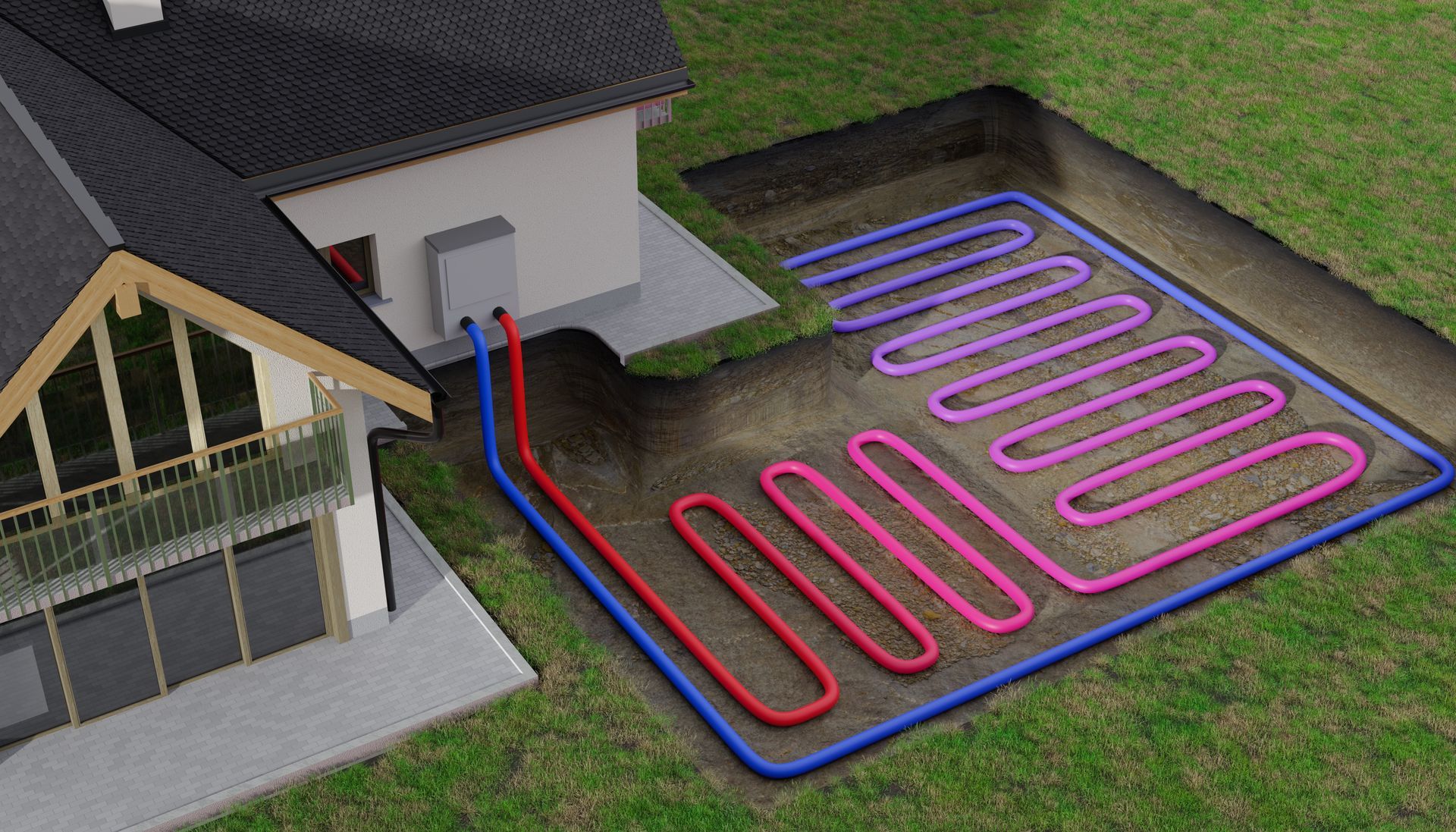
House with rooftop unit connected to red and blue ground-loop pipes in a yard
By Admin • October 9, 2026
Heat pumps run on electricity, so they must be basic electric heat, right? Wrong. We're clearing up the most common heat pump misconceptions.
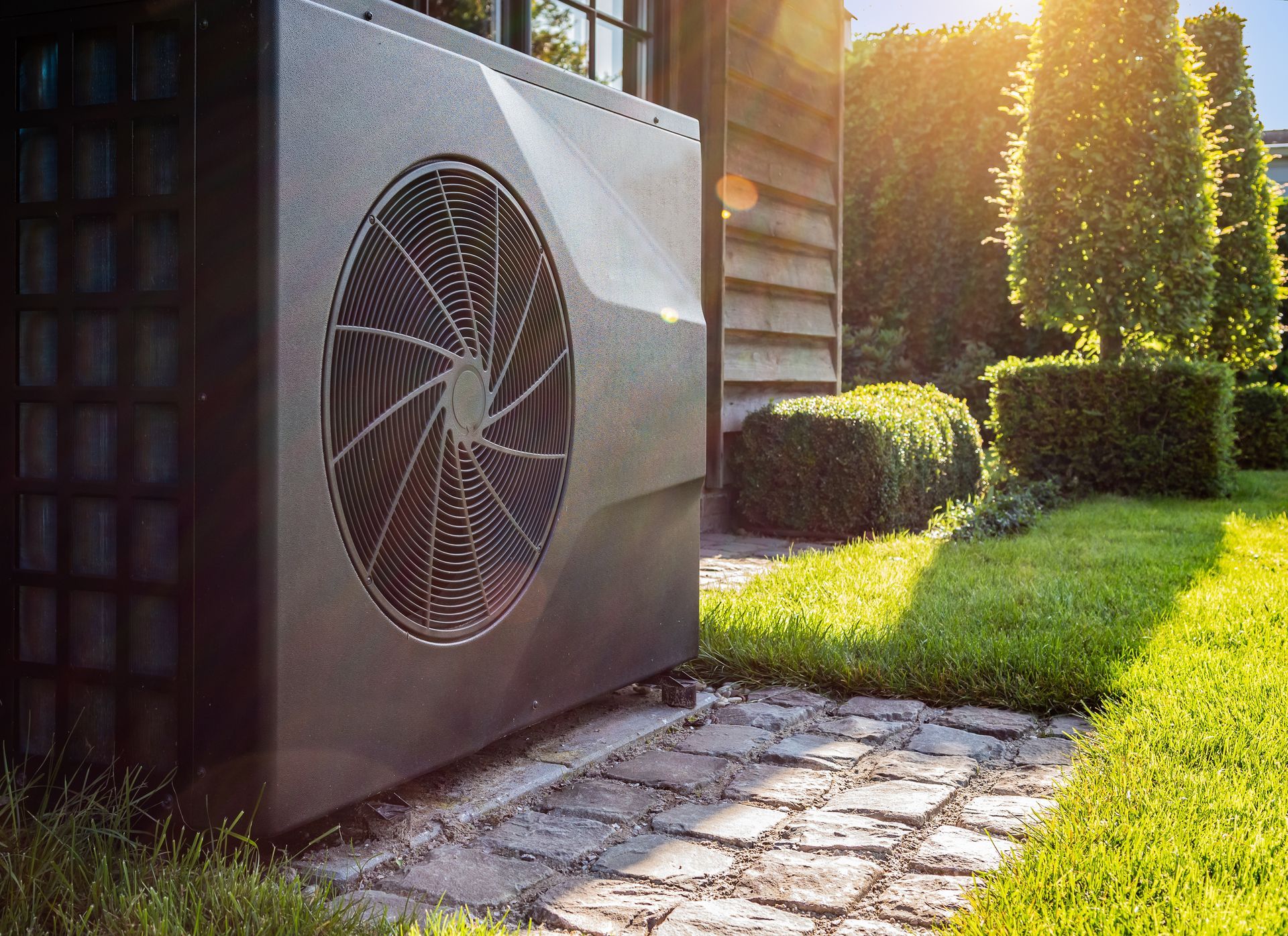
Outdoor air conditioner unit beside a sunlit garden and stone path
By Admin • October 9, 2026
Oil or heat pump? We compare cost, efficiency, and hassle for Hudson Valley homeowners — with the real numbers behind it.
September 29, 2026
A plain-English look at NY heat pump rebates and incentives for Sullivan, Orange & Ulster County homeowners, from Mr. Mini Split.
September 29, 2026
Worried a heat pump won't keep up in a Catskills winter? Mr. Mini Split explains how cold-climate heat pumps perform in Sullivan, Orange & Ulster County.

September 29, 2026
Confused about heat pumps vs. mini splits? Mr. Mini Split explains the difference (there isn't much) and what Hudson Valley homeowners should know before buying.
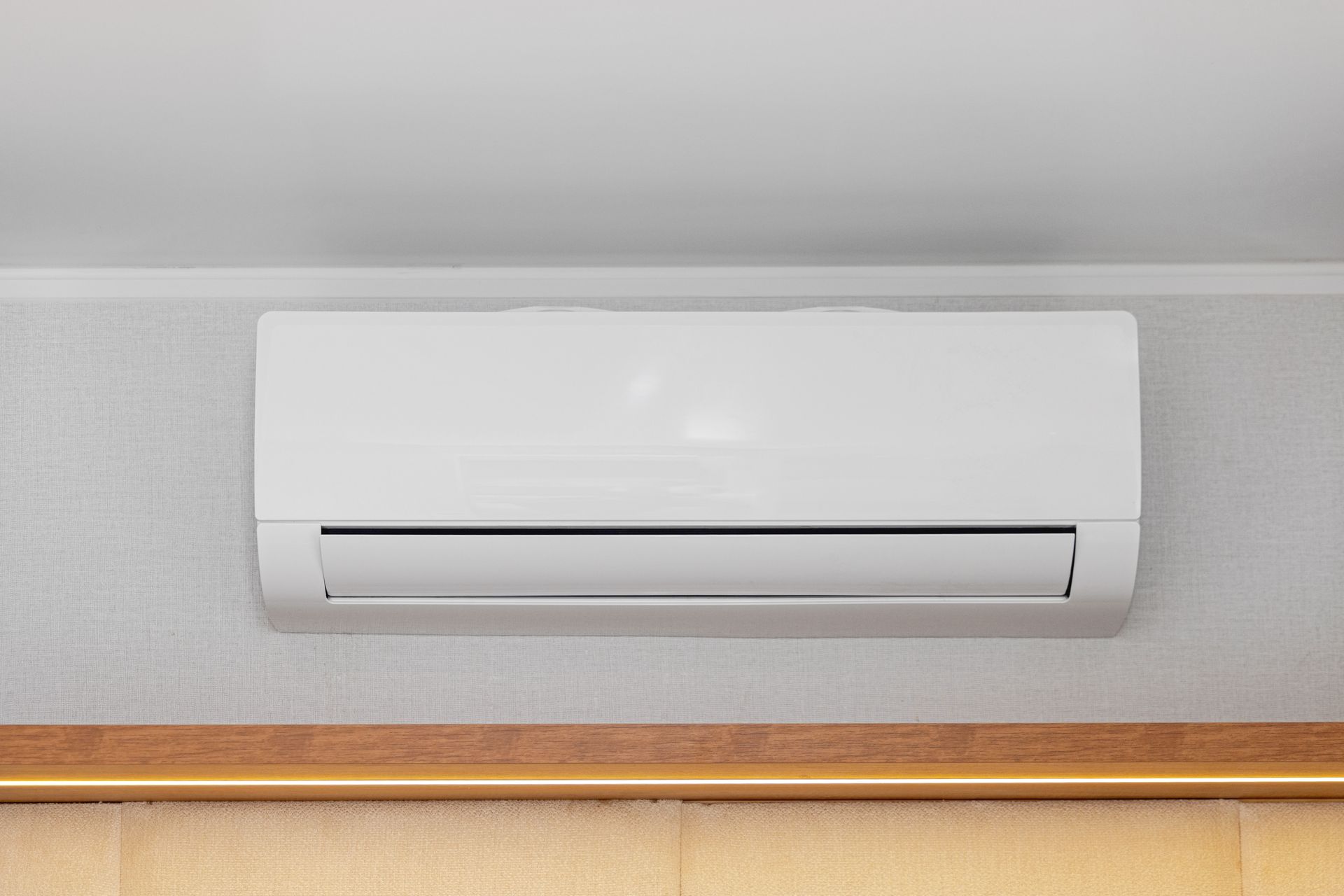
Mini split unit
September 23, 2026
Can a mini split handle Liberty, NY winters? Mr Minisplit covers cold-climate performance, oil vs. heat pump savings, and NYS rebates. Get a free estimate.
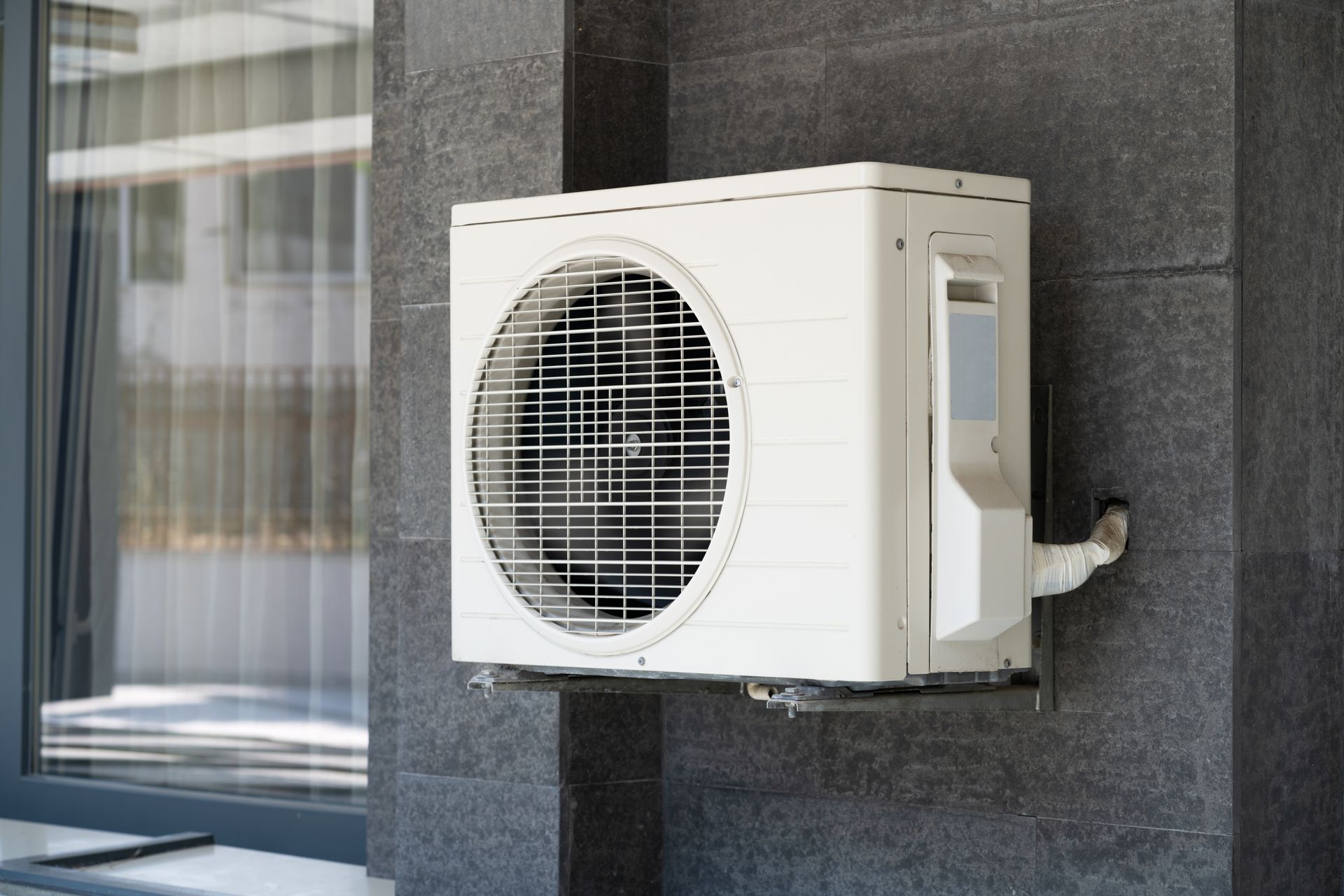
White outdoor air-conditioning unit mounted on a dark wall beside a window
September 2, 2026
If your home has rooms that never seem to get comfortable — too hot in summer, too cold in winter, or stuck fighting an old system that can't keep up — a ductless mini split heat pump is one of the most effective upgrades available to Hudson Valley homeowners. Below is a straightforward breakdown of what these systems are, how they work, and how they lower monthly energy costs.

Show More


